How does air quality affect the workplace?
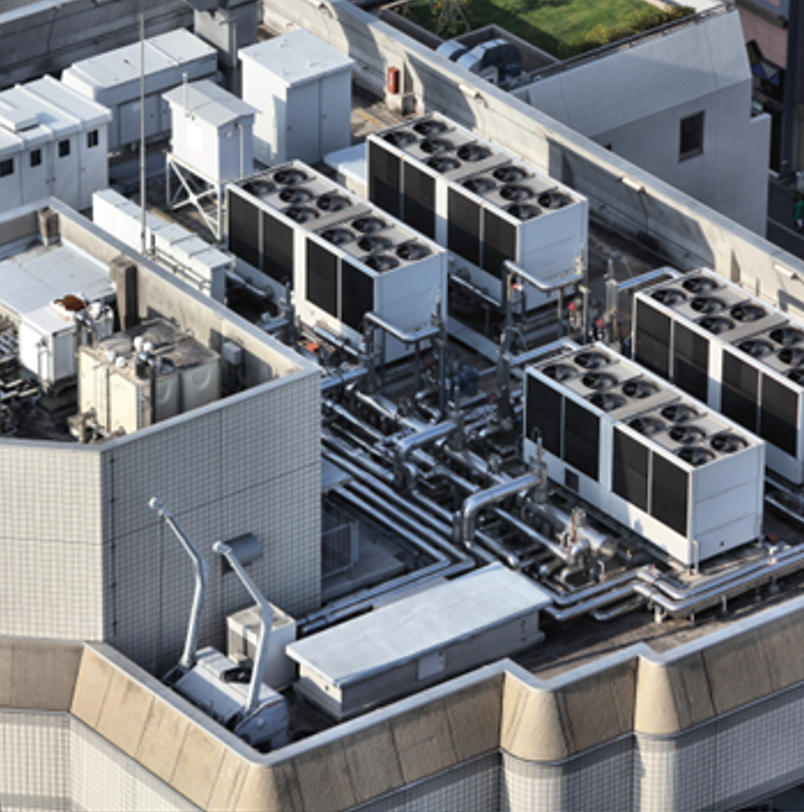
Research shows that poor air quality in workspaces can have a significant negative impact on employees’ health and wellbeing, profoundly impacting a company’s bottom line. Evotech Air Quality Director, John Lumb, discusses the issues in his latest blog for Air Quality News.
Better ventilation and filtration in workplaces to help prevent the transmission of viruses has the additional benefits of better cognitive functioning, productivity and health of employees, making healthy buildings key to public health and business strategy moving forward.
“In an average size meeting room without adequate ventilation, three people can cause CO2 to reach a level that affects their cognitive function in just 45 minutes. If one of those people is sick, it could take just 5 to 30 minutes for them to contaminate the other two.”
Optimised buildings can improve the productivity and health of employees whilst reducing the risk of virus transmission. At the same time, buildings can be made more energy efficient to significantly reduce running costs and carbon emissions. Overall, business risks including those of future pandemics, workplace biosecurity and employee wellbeing litigation can also be reduced.
READ FULL ARTICLE
|
|
Ventilation and infection resilience, should be regulated says NEPC report
A new report released by the National Engineering Policy Centre (NEPC) calls on the UK government to seize the post-pandemic opportunity to mandate long term improvements to infection control in commercial, public and residential buildings.
Professor Peter Guthrie OBE FREng, Vice President of the Royal Academy of Engineering and Chair of the NEPC Infection Resilient Environments working group, says:
“There is a moment now to take a coordinated approach to achieve infection resilience alongside improvements in energy efficiency and fire safety. Grasping that opportunity can help deliver a built environment that is safe, healthy and secure.”
Infection-control measures could save up to £23 billion a year if there is another pandemic. Operational performance of buildings, including ventilation and infection resilience, should be regulated says the NEPC.
READ FULL ARTICLE
|
|
Government pledges another £635m for low carbon heating
The government has made an additional £635m in funding available for public sector organisations in England to install low-carbon heating and other energy efficiency measures.
The funding is available through the Public Sector Decarbonisation Scheme with organisations such as NHS Trusts, schools and local authorities able to apply for grants from September. Public sector bodies and taxpayers are expected to save an average of £650 million per year on energy bills over the next 15 years.
SEE FULL ARTICLE
|
|
Fire alarm sounded on pre-insulated pipework
Leading trade associations have called for more rigorous checks on the fire safety of pre-insulated pipework installed in buildings.
The Building Engineering Services Association (BESA) and the Thermal Insulation Contractors Association (TICA) have raised questions about the suitability of pipework, normally used for underground and buried applications, such as primary heating networks, now being deployed inside buildings, which takes the products outside the scope of quality standards normally applied to their performance
SEE FULL ARTICLE
|
|