‘Ella’s Law’ heads to Commons after passing through House of Lords
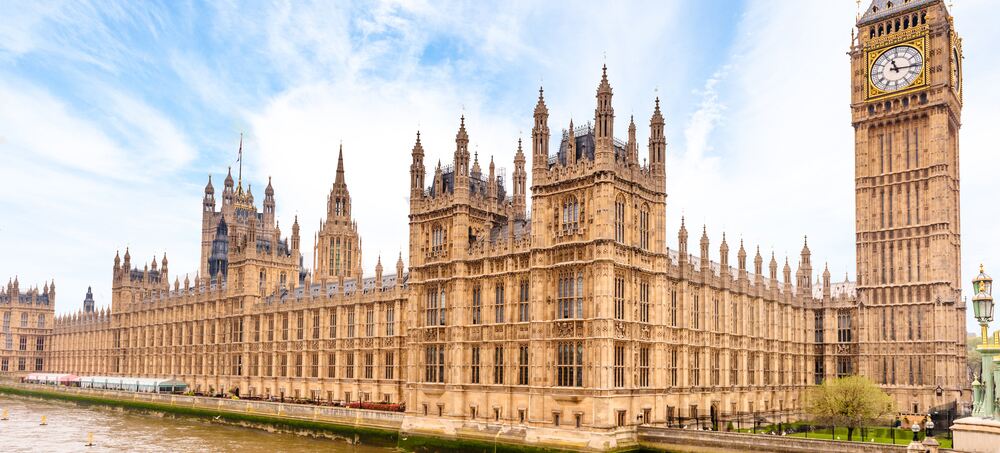
The Clean Air Bill, or Ella’s Law, which could enshrine in law the human right to clean air, has passed through the House of Lords. Named after Ella Adoo-Kissi-Debrah, the first person in the UK to have air pollution listed as a cause of death, the bill received no opposition and will now be debated in the House of Commons.
The legislation would see a variety of public bodies reviewing and monitoring pollutants and pollution limits, with the aims of achieving clean air in the UK within five years of its passing. An amendment would set limit targets for fine particulate matter and nitrogen dioxide of 10 and 20 micrograms per cubic metre respectively to be achieved by January 2030, matching the latest EU proposals. Once passed, this bill will also give people the right to clean air indoors as well as outside which could lead to more legislation on the monitoring and optimisation of indoor air quality.
READ FULL ARTICLE
|
|
SLL Code for Lighting (2022) considers health & wellbeing
The Society of Light and Lighting (SLL) Code for Lighting establishes the fundamentals required by lighting designers and anyone responsible for the application of light and lighting within the built environment.
The 2022 update reflects the rapid development in lighting technologies and research and the new edition considers the cost of lighting in relation to the health and wellbeing of occupants and the environment. Recommendations included in the Code aim to strike a balance between the benefits and the costs. For more information and to download the SLL Code for Lighting (2022) click on the link below.
VISIT WEBSITE
|
|
New industry group to press
for passive fire safety
measures
Tier one contractors have been asked to work with the new Passive Fire Knowledge Group (PFKG), set up by FIS, the trade body for the finishes and interiors sector.
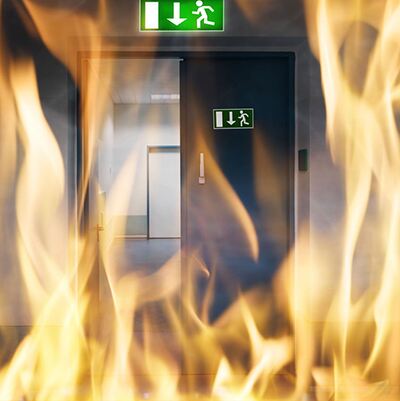
The group has been launched to drive culture change through the design and construction process to improve fire safety in buildings. Based on compartmentation of fire and preventing collapse through structural fire resistance, when properly installed and maintained, passive fire protection can save lives and assets, and the building itself. The PFKG aims to resolve the complex passive fire protection design challenges to ensure the construction industry delivers safe buildings.
READ FULL ARTICLE
|
|
Fire evacuation systems in new blocks of flats now in force
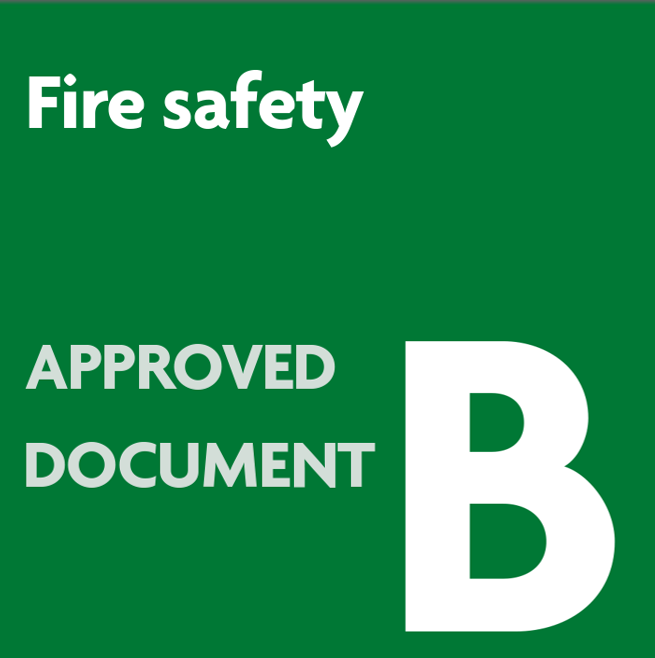
A change to Approved Document B, made on 1 June 2022 to recommend the provision of evacuation alert systems in new blocks of flats over 18 metres in height has now come into force as of 1 December 2022.
If the application was made before 1 Dec and work starts within 6 months of 1 Dec, then old requirements still apply, however, if the application was made after 1 December new requirements apply.
VISIT WEBSITE
|
|
Evotech attends final
exhibition of the year
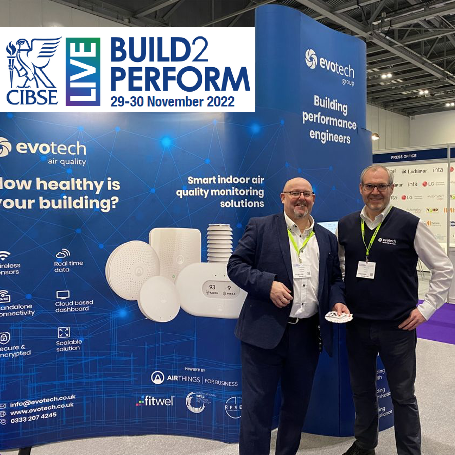
Our final exhibition of the year took us to London’s Excel for the CIBSE Build2Perform show. The two day event featured more than 80 specialist speakers from across the built environment and more than 60 exhibitors.
Our team received lots of interest in both air quality monitoring and Evotech’s myBEMS HVAC optimisation solution. We’re looking forward to a break before taking to the road again next Spring.
|
|
Happy Christmas & best wishes for the New Year
It’s that time of year when many of us will start to wind down for some much-needed rest and relaxation and a chance to spend time with family and friends over the festive season.
We would like to sincerely thank you for your support and pass on our warmest wishes to you and your loved ones. And to our customers - thank you for trusting us as your service provider this year, we are looking forward to continuing to support you throughout 2023.
Merry Christmas and a Happy New Year from the Evotech team.
|
|