BCIA calls for urgent adoption of Class A building controls in non-domestic buildings
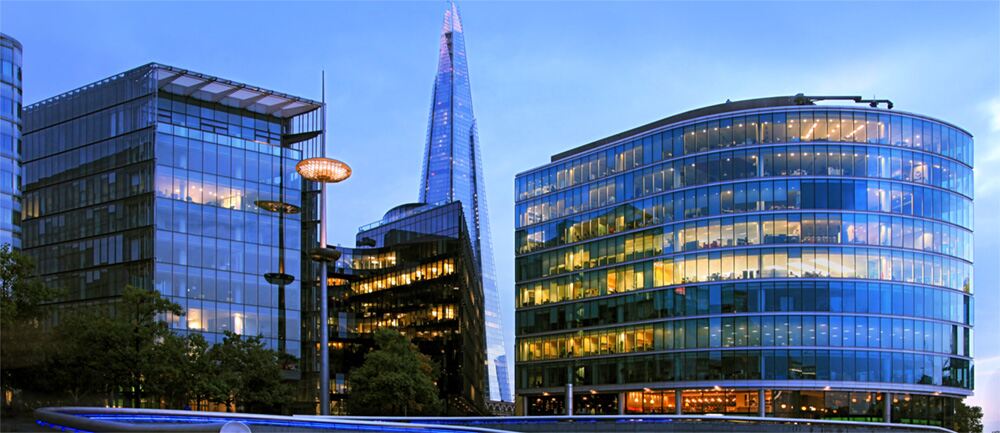
Following the recent Future Buildings Standard consultation, the Building Controls Industry Association (BCIA) is urging a new Parliament to work with it to prioritise the widespread adoption of Class A building controls in new and existing non-domestic buildings.
The BCIA estimates that a requirement to install Class A BACS in commercial and public buildings with an HVAC output over 180kW could save a total of £16.9bn in energy bills and 39.6 Mt of CO2e by 2040. As unmaintained controls can often miss opportunities to enhance energy efficiency and carbon emission savings, the BCIA also suggests the introduction of a minimum standard of scheduled maintenance for BACS. And, with buildings using electric technologies for heat and transport increasing, integrated smart controls should be implemented where possible.
READ FULL ARTICLE
|
|
Check out BESA’s Building Safety Act Hub
The Building Engineering Services Association has revamped its Building Safety Act Hub, to provide everything you need to know in an easily accessible layout.
The Hub is home to everything you and your organisation needs to be informed about building safety. Regularly updated, the Hub can provide you with reassurance and confidence when dealing with building safety. Quick links allow easy navigation to an extensive selection of resources and valuable information.
READ FULL ARTICLE
|
|
Why embodied carbon is the key to truly net zero buildings
There is a need for Building Regulations to extend beyond operational carbon assessments to include embodied carbon if the UK is to meet its net zero commitments. CIBSE Technical Director, Anastasia Mylona, explains how this could be approached.
Greenhouse gases are emitted at every stage of a building’s lifecycle, from the manufacture of materials, through construction, operation and maintenance to eventual demolition. If the UK is to meet its net zero targets by 2050, emissions from the built environment must be reduced. To date, policy and regulation has focused entirely on operational emissions – those emissions resulting from energy consumed in the day-to-day running of a building.
READ FULL ARTICLE
|
|
London businesses urged to reassess fire safety protocols ahead of key LFB changes
Businesses across London are being strongly encouraged to revisit their fire safety measures following a significant policy shift by the London Fire Brigade (LFB).
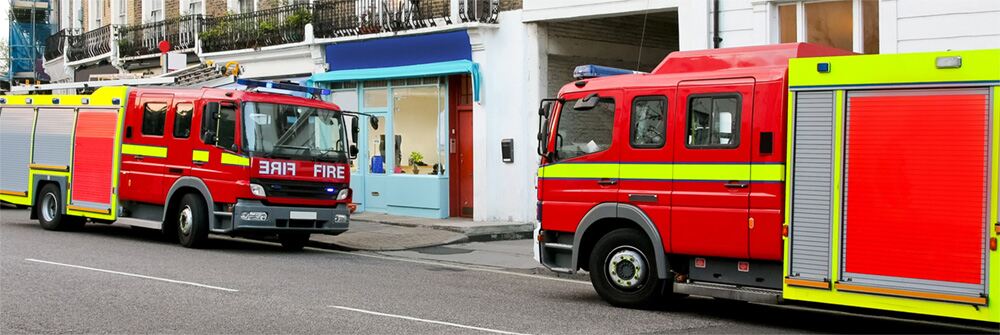
From October, the LFB will no longer respond to automatic fire alarms in non-residential buildings during the day, specifically between 7:00 am and 8:30 pm, in an effort to reduce unnecessary strain on fire service resources. This change will have significant implications for any business that relies on remote connections to an Alarm Receiving Centre. Consequently, fire risk assessments will need to be revised, and additional staff training is necessary to ensure appropriate response measures are in place in the event of a fire.
READ FULL ARTICLE
|
|